Turning AI's Potential Into Business Power
- December 31, 2025
- By Suzanne Koziatek
- 7 minute read
Olin helps businesses and students lead the AI revolution with new courses, research, and business support.
As artificial intelligence continues to remake the world of business, Olin is deepening its commitment to helping students and partners understand and leverage its transformative power.
From new course and program offerings to groundbreaking research and assistance for regional business partners, the Olin community is pushing the boundaries of the technology’s capabilities and value to business.
New offerings cover a range of AI business applications
For the past several years, Olin has ramped up the inclusion of AI-focused courses across degree programs. In fall 2026, that will go a step further with the launch of a new Master of Science for AI in Business. Seethu Seetharaman, W. Patrick McGinnis Professor of Marketing, said the degree is a natural outgrowth of Olin’s well-regarded MS in Business Analytics (MSAIB) program, and is addressing industry requests for more employees with AI expertise.
Durai Sundaramoorthi, a data analytics professor who is helping to build the curriculum for the new degree, said it was becoming more difficult for students who wanted to pursue this area to fit enough AI courses into the existing business analytics degree. He sees the new MSAIB degree as a good choice for a range of students, from recent graduates seeking marketable skills to long-time professionals looking to upskill.
I wouldn’t be surprised if somebody who has been working in analytics, for example, would take a break and do a program like this.
—Durai Sundaramoorthi, Professor of Practice in Data Analytics
Sundaramoorthi said many of Olin’s current AI courses will be at the core of the new degree, supported by the addition of new courses focusing on topics such as large language models and generative AI. Students can choose from three concentrations: finance, marketing, or technical.
In fact, across Olin, professors are developing new AI-focused courses that can serve as electives across different programs, said Todd Gormley, vice dean of education and a professor of finance. This includes the development of AI-Driven Finance, a course that focuses on the use of AI in the sector.
“We have a lot of really strong faculty who enjoy being able to teach these frontier technologies and their potential impacts,” Gormley said.
Olin’s agile ramp-up to meet the AI demand is not unusual, he noted, pointing to the original MS in Business Analytics program, which was launched a decade ago.
AI is a newer type of technology that businesses are getting excited about and want to know how to use and apply. If you want to be a successful business school, you need to stay at the cutting edge of the tools that businesses want to use.
—Todd Gormley, Vice Dean of Education and Professor of Finance
AI is deeply embedded than ever in Olin faculty research
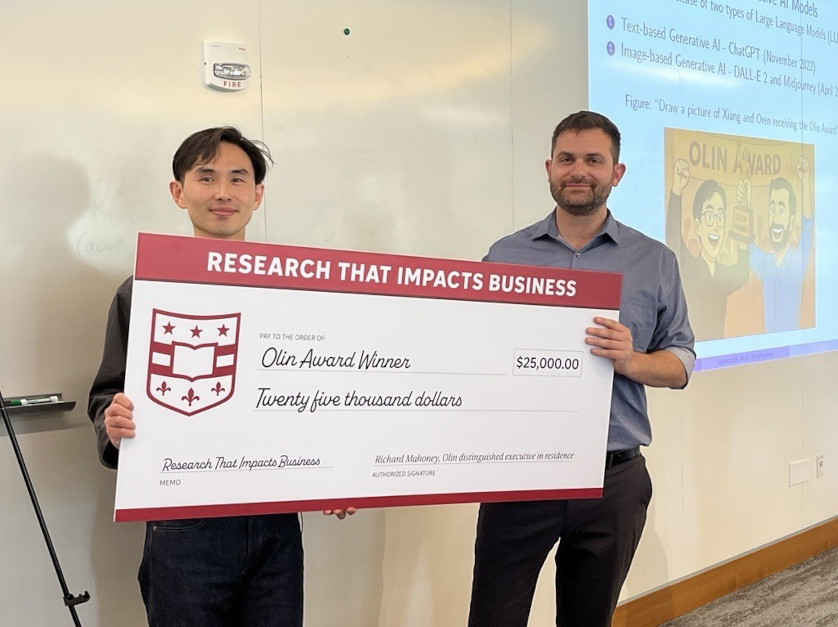
Olin faculty continue to expand and strengthen their AI-focused and AI-dependent research, building on years of discovery. Six of the last eight winners of the Olin Award — established by Olin executive-in-residence Richard Mahoney to honor research with practical business applications — either studied the effects of artificial intelligence or used it as a tool. A 2023 Olin Award-winning AI–based project that Seetharaman helped develop detects suspicious pharmaceutical shipments to retailers in order to help curb the opioid epidemic.
The 2025 award went to Xiang Hui and Oren Reshef, who found that wider availability of advanced generative AI tools negatively impacted freelance creative workers.
Hui, an assistant professor of marketing, is now studying the effect of gen AI on a different marketplace: the high-stakes Chinese real estate market. Hui is examining how AI “assistants” can help real estate agents by providing personalized recommendations for matching buyers and sellers. “The big takeaway is that this AI technology can make the market work more efficiently and can improve outcomes for both the buyer side and the seller side.”
Hui envisions more scholarship looking at how AI can augment rather than replace human expertise.
Xiumin Martin, the Margaret Oung Distinguished Professor of Accounting, is researching how retail investors are leveraging AI to improve returns and level the playing field with sophisticated investors.
For Martin, AI is not only a fascinating object of study; it’s a tool that can enhance and accelerate her work. “I would say that AI has changed how we do research significantly,” she said. She teaches doctoral students how to use AI in their research — to seek out data, organize it, and categorize it. AI not only speeds up research but improves its accuracy.
However, Martin warns that the benefits of generative AI come with the risk of AI agents “hallucinating” or inventing information. “As researchers, we need to guard against that, because sometimes the output looks very real,” she said. “I really need to go a long way to check the validity of that output, instead of just bluntly relying on it.”
Dennis Zhang, professor of supply chain, operations, and technology and professor of marketing (courtesy), is exploring how AI can help online platforms optimize targeted offerings such as advertising for their users. Currently, much of this optimization comes through A/B testing — showing different offerings to different people and noting what works better. It’s effective, but slow, and in the meantime, half the target audience gets the less effective option.
Using generative AI to simulate consumer behavior can shrink that process — at enormous potential savings.
“The advertising business in the U.S. across big tech is on the order of $300 billion to $500 billion every year,” Zhang said. “Even if you’re saving 10% of the efficiencies, that’s $30 to $50 billion per year across those platforms.”
-
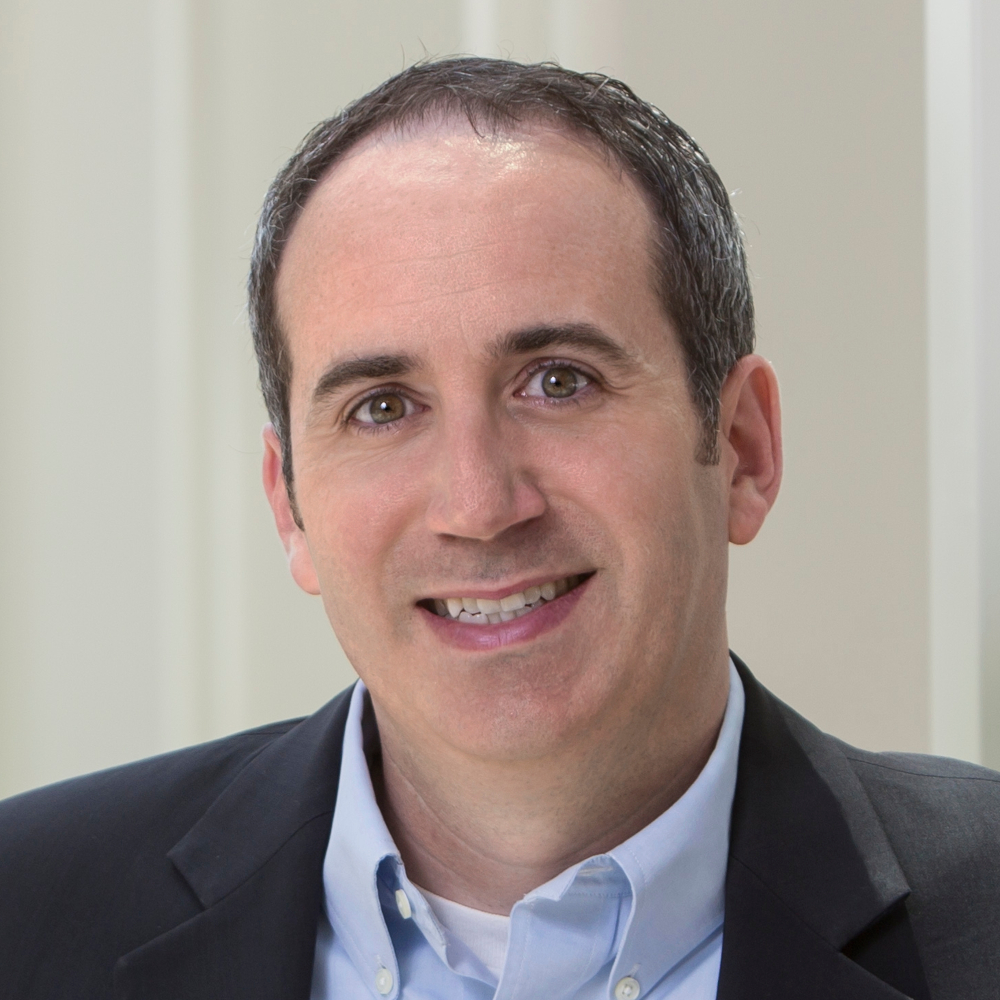
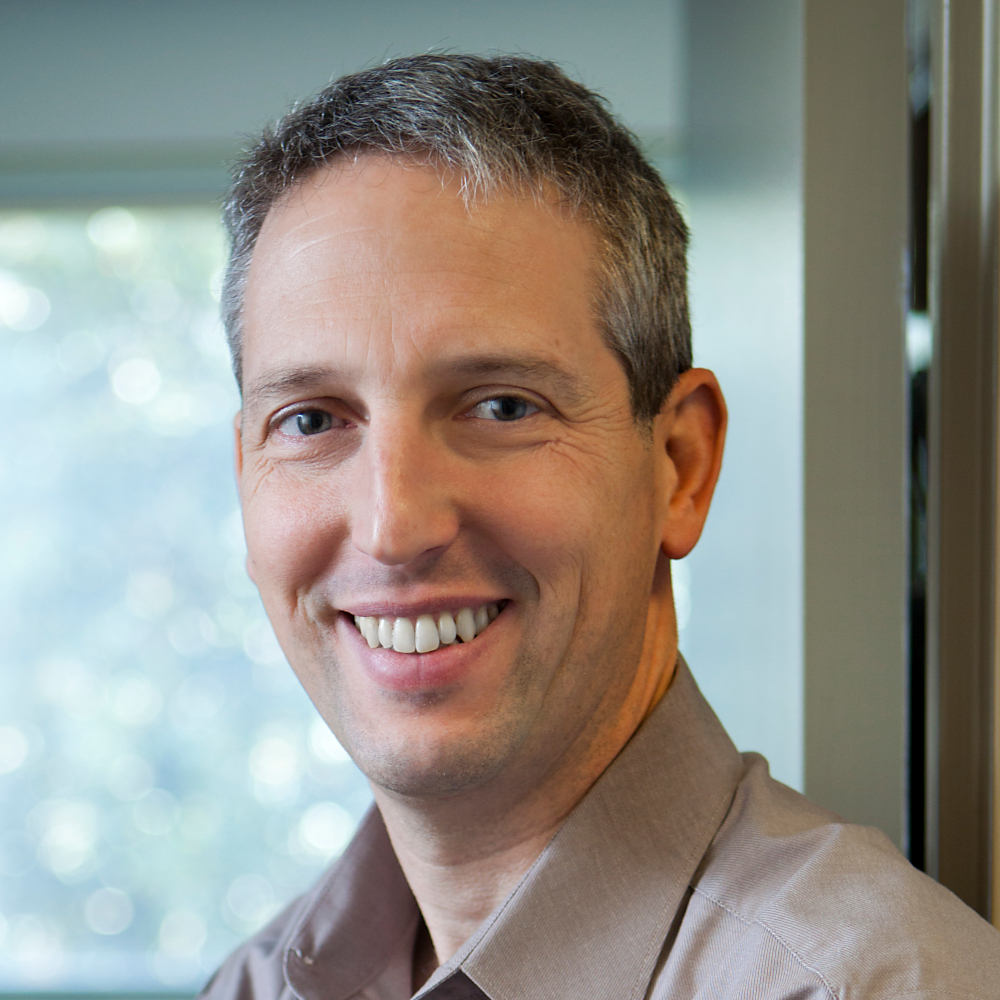
Todd Gormley - Professor of Finance; Vice Dean of Education
-
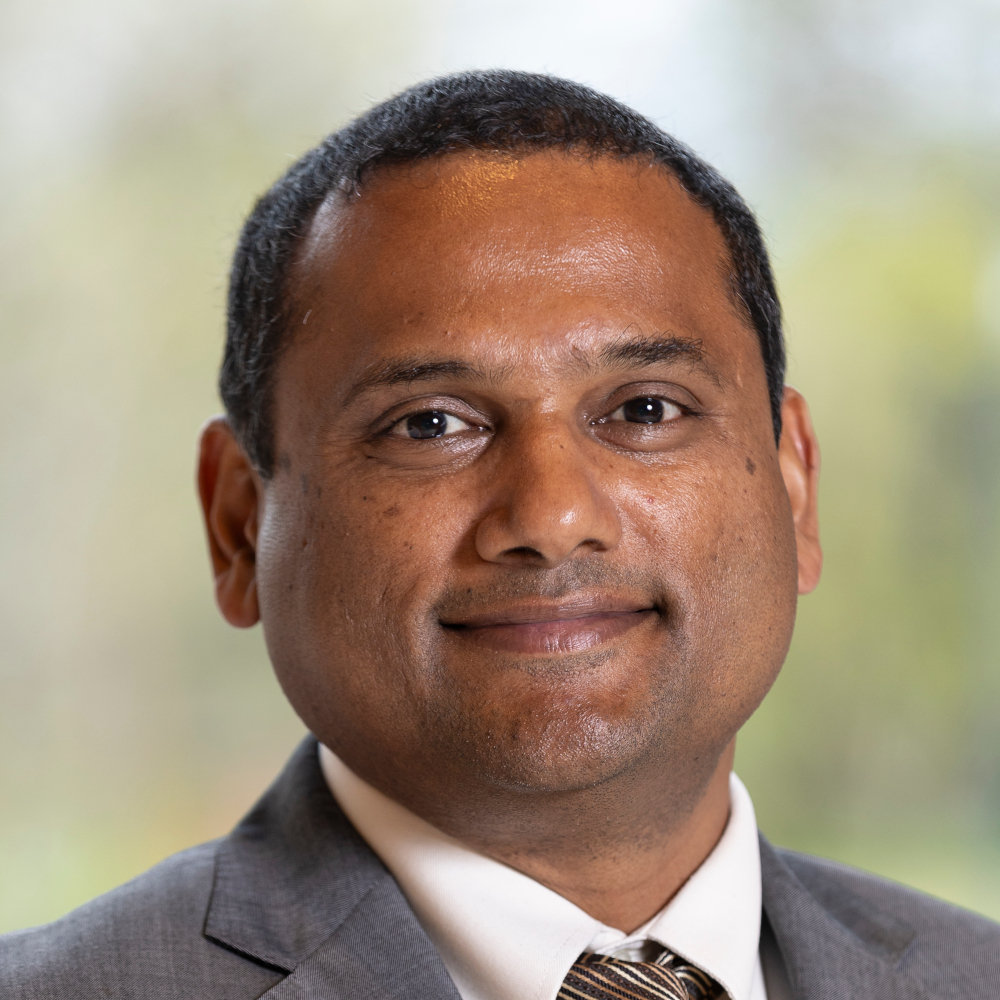
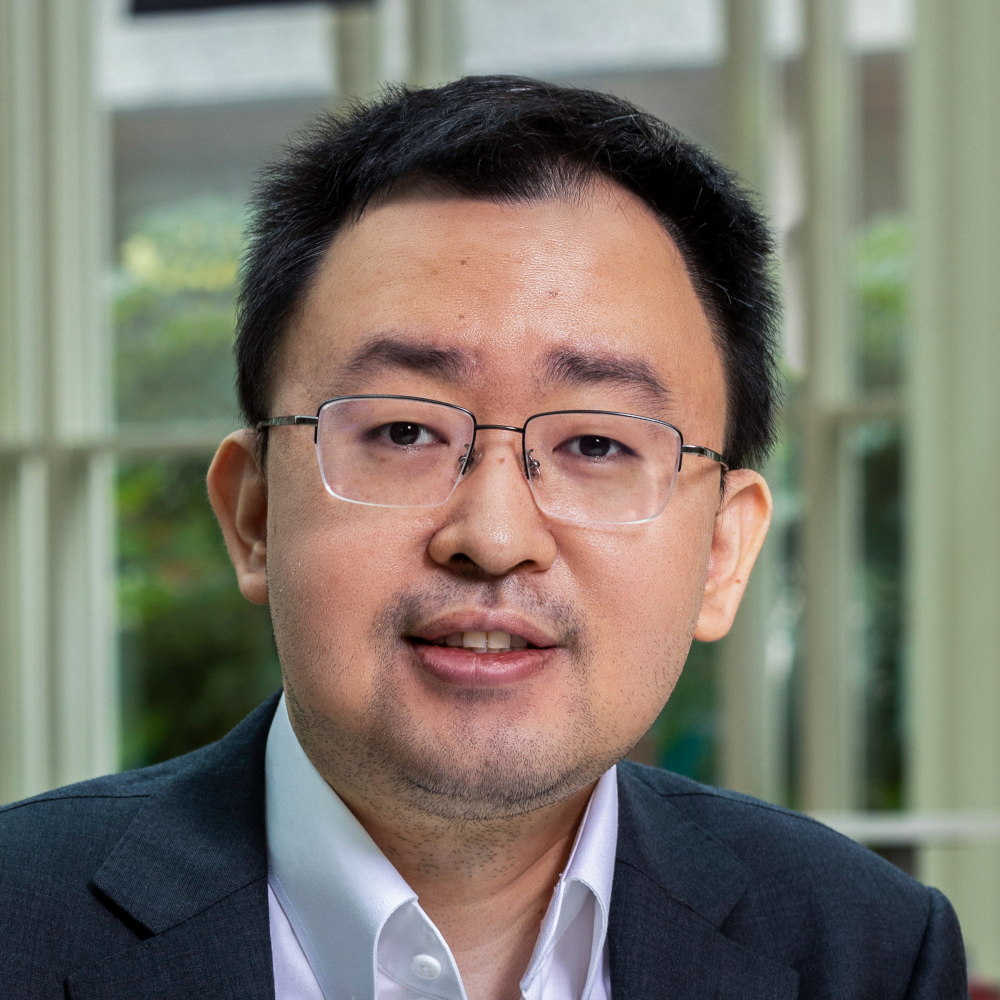
Durai Sundaramoorthi - Professor of Practice in Data Analytics
-
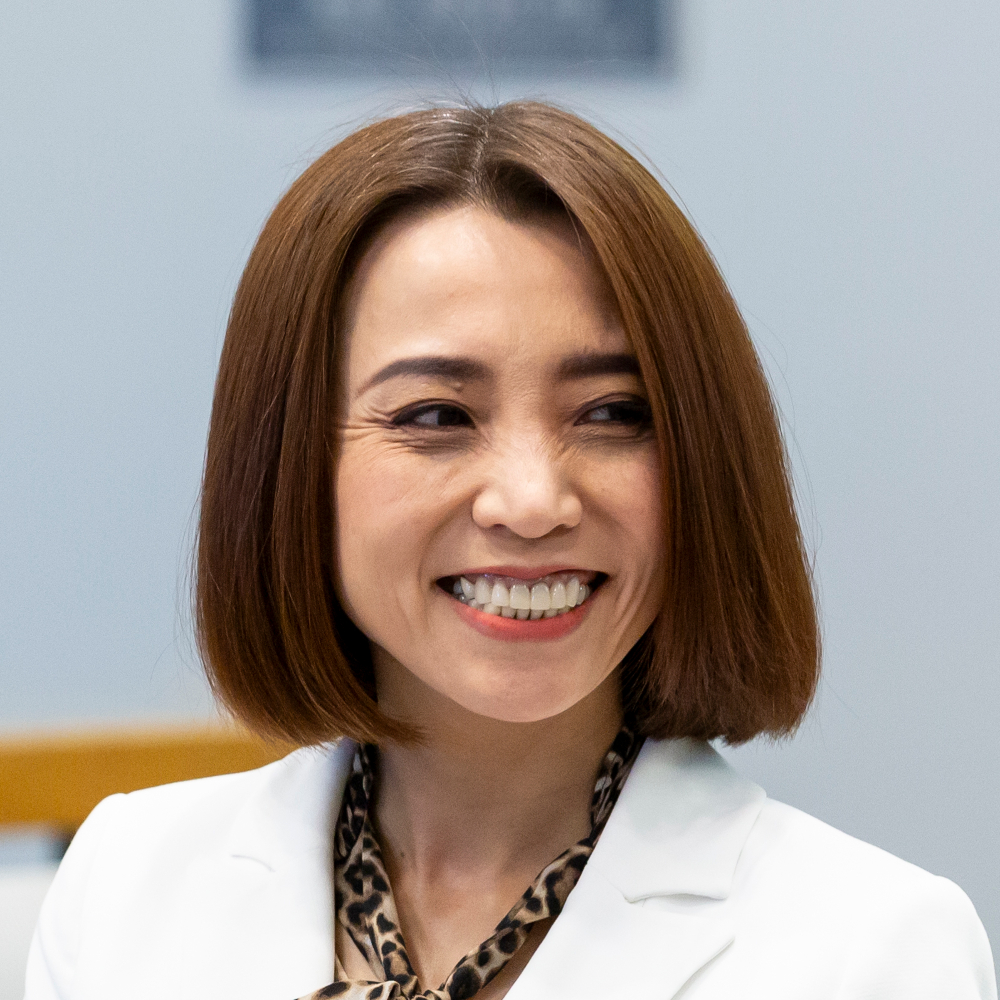
Xiumin Martin - Margaret Oung Distinguished Professor of Accounting
-
Dennis Zhang - Professor of Supply Chain, Operations, and Technology & Professor of Marketing
-
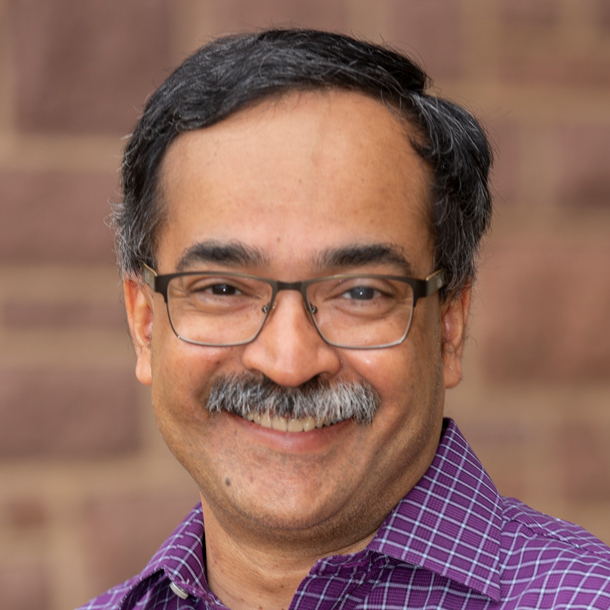
Seethu Seetharaman - W. Patrick McGinnis Professor of Marketing and Director, MS in Customer Analytics; Co-Director, Center for Analytics and Business Insights (CABI)
-
Eli Snir - Teaching Professor of Data Analytics
Olin Award 2025
Generative AI may transform the role of human capital in organizations and reduce overall demand for some types of knowledge workers.
Learn More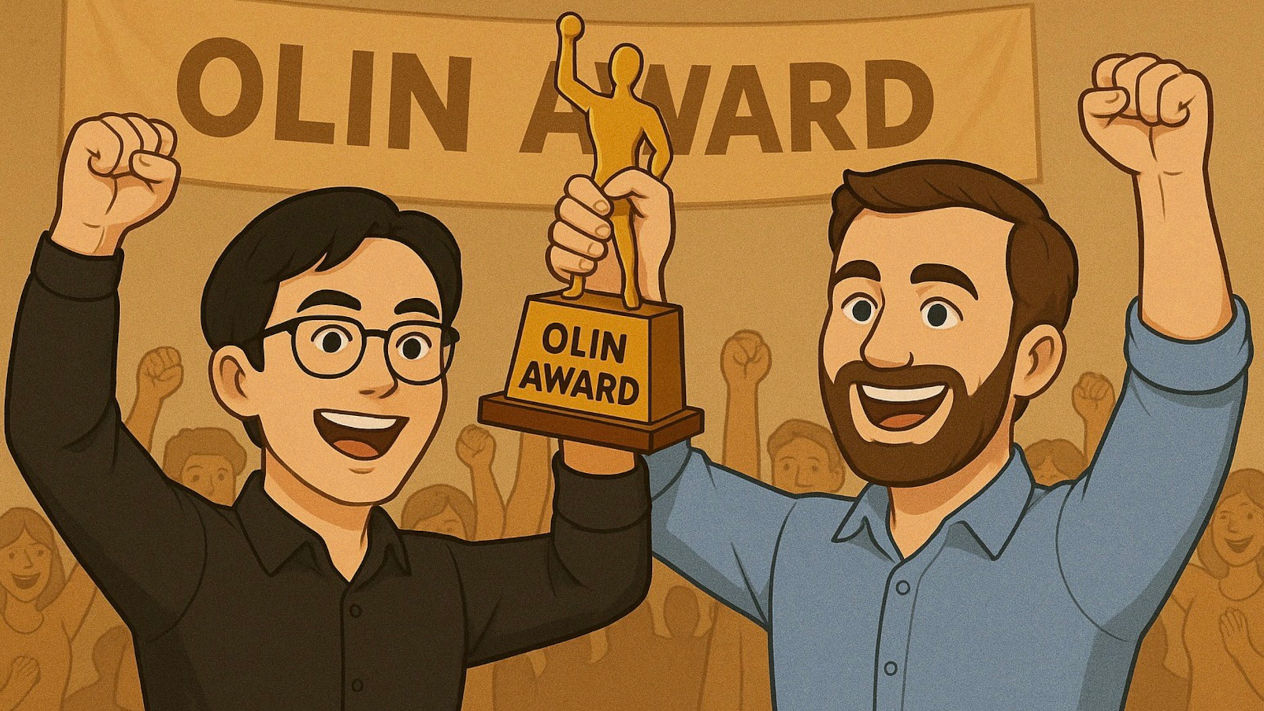
Helping companies leverage AI to solve their toughest problems
The Center for Analytics and Business Insights (CABI), Olin’s business analytics research hub, has long applied sophisticated analytical tools to the challenges raised by its business partners. As companies become more AI-savvy, CABI is keeping them on top of the latest developments, said Seetharaman, who is also the center’s director.
CABI sponsors at least two research roundtables a year, giving attendees a front-row seat to the latest faculty research in the area, as well as frequent lunch-and-learn events. Meetings of CABI’s board allow member companies to share best practices, which in turn helps the center decide where to direct its attention.
Seetharaman said members can send their employees to CABI immersion training — deep dives into the nuts and bolts of popular topics. Most recently, they conducted a training on Microsoft Copilot: “It was constructed almost exclusively based on what we heard our board members say: Tell us how to be clever prompt engineers, how to use prompts effectively so that we can get maximum business value.”
As interest in these immersive events has grown, Olin is branching out with a new AI executive education offering that can be tailored to client needs.
We’re currently partnering with Exec Ed to offer a whole host of data science, data literacy, machine learning, and AI types of courses.
—Eli Snir, Teaching Professor of Data Analytics
In addition to employee education, experiential learning practicums give CABI’s board members access to student-led solutions to pressing business challenges. Many of these projects employ AI tools, and over the past several years, Seetharaman said he’s noticed AI becoming a part of more unique projects. Currently, he and Michael Wall, academic director of experiential learning and curricular advancement, are advising a team on a consulting project for the API Innovation Center (APIIC), a nonprofit dedicated to reshoring the production of medications locally.
The team is advising APIIC on which drug molecules they should target for domestic production in St. Louis, based on the cost implications of producing it.
“So, it’s a data-driven project, where they are making available some external data sources that students can mine,” Seetharaman said. “But it is also to make our country and our city more self-sufficient in terms of the drug supply chain. CABI has always had this eye on doing at least a couple of projects like this every year. Doing something for the community and society.”

Highlights Report: Regional Partnerships
-
CURRICULUM:
Launched new MBA specialization in Private Capital and Strategic Ownership. -
RESEARCH:
Partnering with WashU’s Brown School on research focused on improving economic mobility and reducing wealth disparities. -
ENGAGEMENT:
Convened 250 members of the small business community at the Koch Center for Family Enterprise’s 10th annual symposium. -
EXECUTIVE EDUCATION:
Collaborating with Bunzl North America on custom programming to develop its leadership pipeline. -
PARTNERSHIP:
Strengthening relationships with more than a dozen companies, including Millipore Sigma, Enterprise Holdings, Nestlé Purina PetCare Co., and PARIC.
About the Author

Suzanne Koziatek
Media inquiries
For assistance with media inquiries and to find faculty experts, please contact Washington University Marketing & Communications.
Monday–Friday, 8:30 to 5 p.m.
Sara Savat
Senior News Director, Business and Social Sciences